
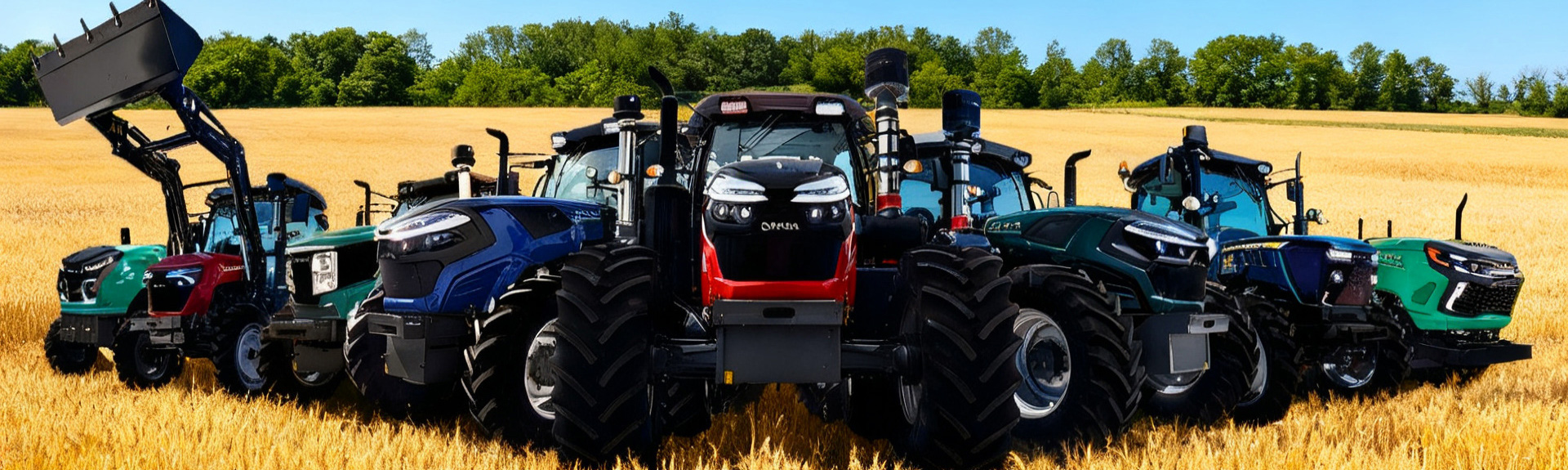
The Rise of Wheeled Tractors
In modern agriculture, wheeled tractors are becoming increasingly common, becoming an indispensable tool for farmers. This type of agricultural machinery not only improves farming efficiency but also reduces the intensity of their work. Imagine how arduous work once was, now made easy and enjoyable thanks to technology—how heartening!
Versatility is Key
When it comes to wheeled tractors, their versatility is undoubtedly one of the main reasons they attract farmers. From plowing and sowing to fertilizing and harvesting, these machines can handle nearly every farm task. Moreover, with continuous technological advancements, many tractors are equipped with GPS navigation systems, enabling precise operation and reducing resource waste.
Industry Case Study: Success Stories
For example, in a remote village, a farmer used a wheeled tractor to cultivate corn on a large scale. Initially skeptical of the new technology, he was encouraged by a friend to give it a try. As a result, he not only increased his yields but also saved considerable time, even allowing him to spend more time with his family. This transformation truly demonstrates the power of technology!
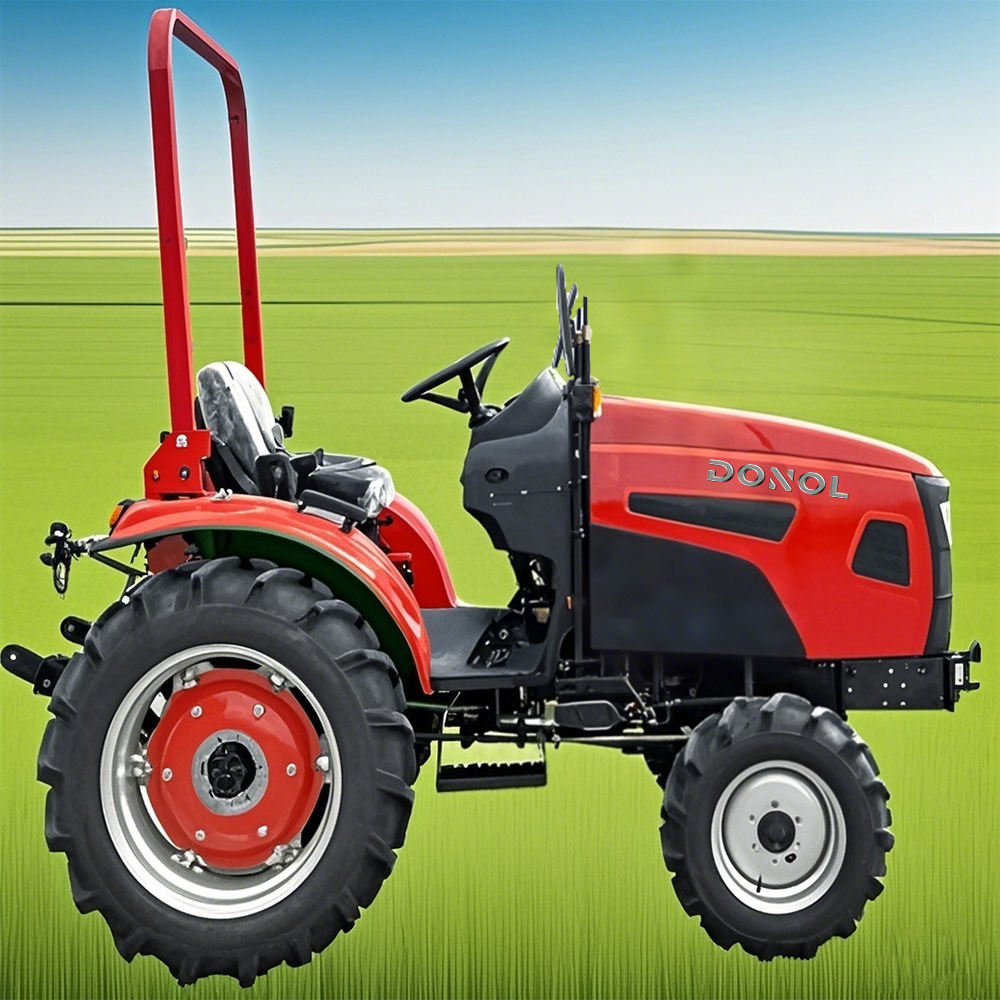
Significant Economic Benefits
Besides improving work efficiency, the economic benefits of using wheeled tractors are also significant. Through mechanized operations, farmers can reduce labor costs, increase crop yields, and thus increase their income. More importantly, modern tractors have relatively low maintenance costs, allowing farmers to enjoy a bountiful harvest while also reducing their financial burden.
Environmental Protection and Sustainable Development
While pursuing economic benefits, environmental issues are also receiving increasing attention. Modern wheeled tractors often utilize energy-saving and environmentally friendly power systems, reducing environmental pollution. Furthermore, the use of precision fertilization and tillage techniques avoids over-fertilization and soil degradation common in traditional agriculture, contributing to sustainable development.
Future Outlook
With the continuous advancement of technology, future wheeled tractors will become even more intelligent, potentially even autonomous. Imagine a tractor slowly moving through the fields in the sunshine, while farmers leisurely sip tea nearby. What a beautiful scene!